Guy Fieri Crab Cake Recipe
The first time I made this Guy Fieri crab cake recipe, I almost skipped the broiler step out of habit – old fried-crab-cake muscle memory is hard to break. I’m glad I didn’t.
One bite and there was no filler taste, no greasy crust, just pure sweet lump crab meat held together with the barest hint of binder.
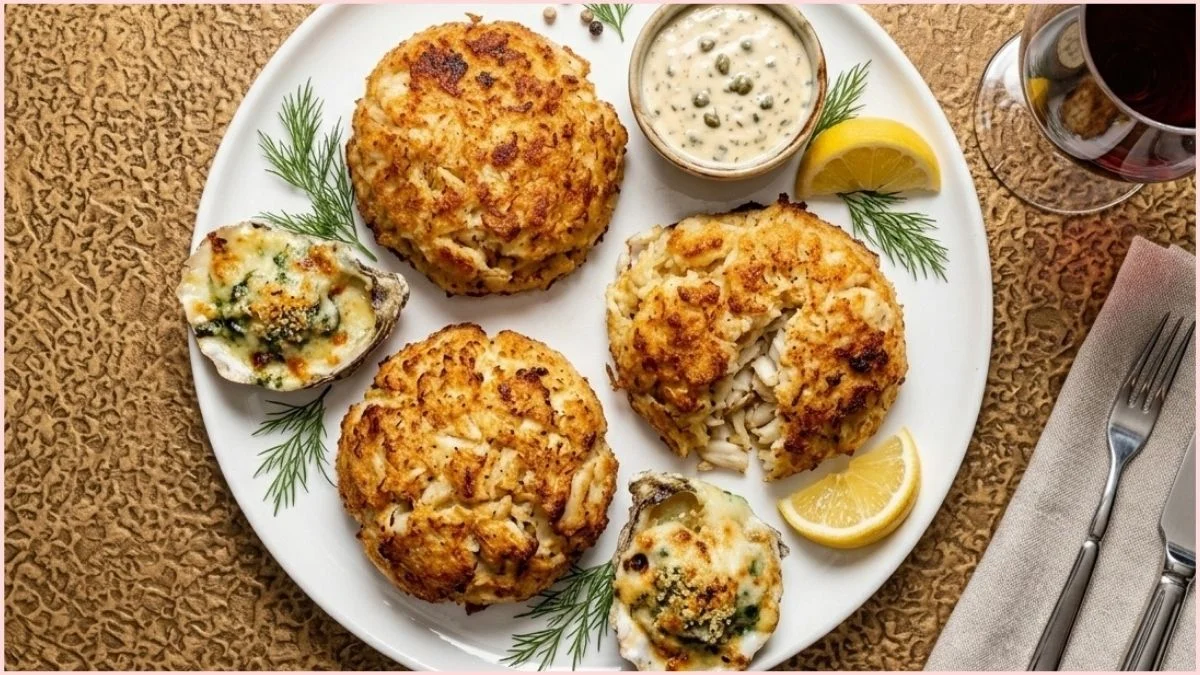
This recipe flips the script on the classic diner-style crab cake: instead of drowning the crab in breadcrumbs and pan-frying it into a hockey puck, you broil it until golden, letting the crab do all the talking.
Paired with a bright, briny Old Bay remoulade, it’s restaurant-quality and shockingly simple to pull off in your own kitchen tonight.
What Is a Crab Cake and Why Do Fans Love It?
A crab cake is a patty of crab meat bound with just enough egg, mayo, and cracker crumbs to hold its shape, then cooked until golden. The flavor profile here is briny, sweet, and buttery, with Old Bay’s peppery warmth and a citrusy lemon lift cutting through the richness.
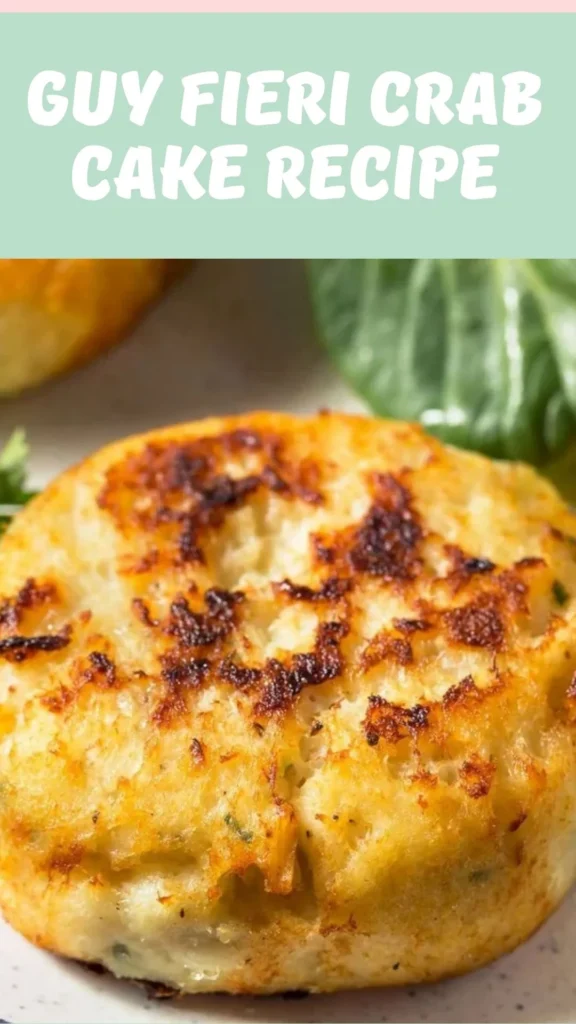
Crab cakes trace back to Chesapeake Bay kitchens, where blue crab was abundant and cooks learned to stretch – and honor – the meat without masking it. Unlike crab rangoons or crab dip, which lean on cream cheese and wrappers, a proper crab cake keeps the crab front and center.
What makes this particular version stand out is the broiling technique: no breading, no oil-soaked crust, just a caramelized top and a tender, crab-packed interior that tastes like the ocean instead of the fryer.
Crab Cake Ingredients with Measurements
For the Crab Cakes:
- 1 lb lump crab meat (jumbo lump if possible)
- ½ lb backfin crab meat
- 2 large eggs, lightly beaten
- ½ cup mayonnaise
- 1 cup crushed butter crackers (or panko breadcrumbs)
- 1 teaspoon Old Bay seasoning
- Zest of 1 lemon
- A few dashes of hot sauce
- Olive oil or cooking spray, for the pan
And for the Old Bay Remoulade:
- 1 cup mayonnaise
- 1 tablespoon Old Bay seasoning
- 2 tablespoons Creole mustard
- 2 tablespoons pickle juice
- 2 tablespoons capers, chopped
- 2 tablespoons fresh chives, chopped
- Zest of 1 lemon
- Salt and black pepper, to taste
Key Crab Cake Ingredient Substitutions
Lump crab meat: Fresh is ideal, but high-quality canned or pasteurized lump crab works well if you drain it thoroughly and pick through for shell fragments.
Backfin crab meat: If unavailable, use claw meat instead – it’s a little more shredded but still adds great crab flavor to the base.
Creole mustard: Swap in whole grain or spicy brown mustard if Creole mustard isn’t in your pantry; both bring similar tang and texture.
Butter crackers: Panko breadcrumbs, saltines, or even crushed Ritz-style crackers all work as a binder – just keep the amount minimal so the crab cake stays crab-forward, not filler-forward.
Tools You Need to Make This Crab Cake Recipe at Home
- Microplane or zester
- Large mixing bowls
- Measuring cups and spoons
- Rubber spatula (for gentle folding)
- Cast iron skillet (or oven-safe baking dish)
- Oven with broiler function
- Plastic wrap (for chilling the remoulade)
Prep Time: 20 minutes
Chill Time: 30 minutes (recommended for remoulade and crab cakes)
Cook Time: 12–15 minutes
Total Time: About 1 hour
Step-by-Step Instructions to Make This Crab Cake Recipe
1. Zest the lemons. Zest two lemons and divide the zest evenly – half for the remoulade, half for the crab cakes.
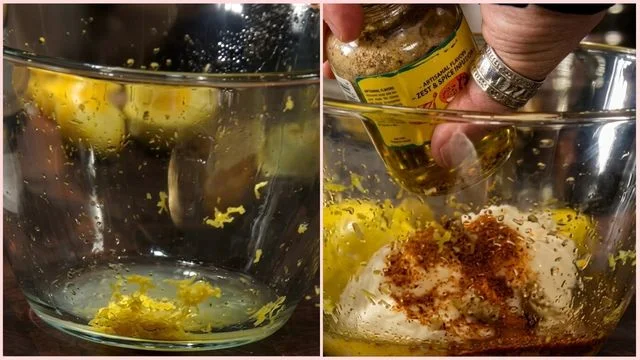
2. Make the remoulade first. In a bowl, combine 1 cup mayonnaise, 1 tablespoon Old Bay, Creole mustard, pickle juice, chopped capers, chopped chives, half the lemon zest, salt, and pepper. Mix well, cover, and refrigerate – this lets the flavors meld while you make the cakes.
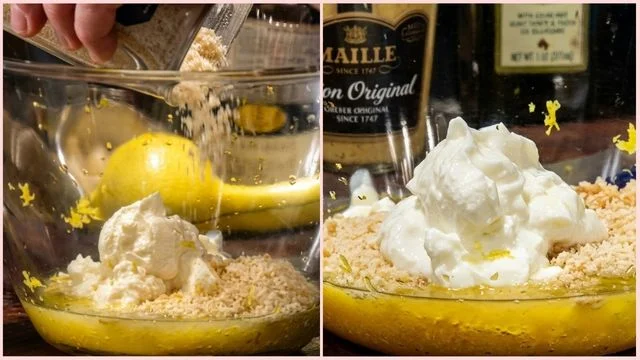
3. Build the binder. In a separate large bowl, whisk together the eggs, ½ cup mayonnaise, remaining lemon zest, 1 teaspoon Old Bay, crushed crackers, and a few dashes of hot sauce.
4. Fold in the backfin meat. Add the backfin crab meat first and mix lightly, like you’re making a meatball mixture – just enough to combine.
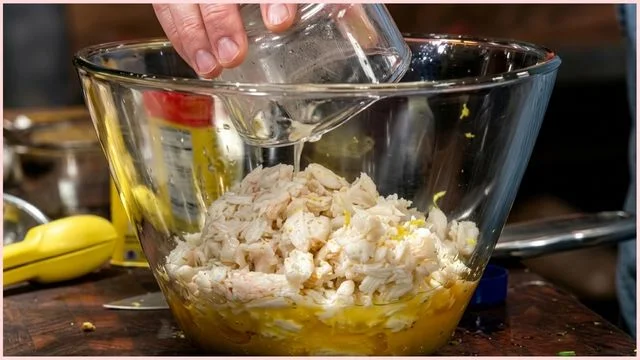
5. Gently fold in the lump crab meat. Add the prized lump crab meat last and fold very gently so the big pieces stay intact. The mixture should look loosely bound, not pasty.
6. Let the mixture rest. Chill for about 30 minutes so the crab cakes firm up and hold together when cooked.
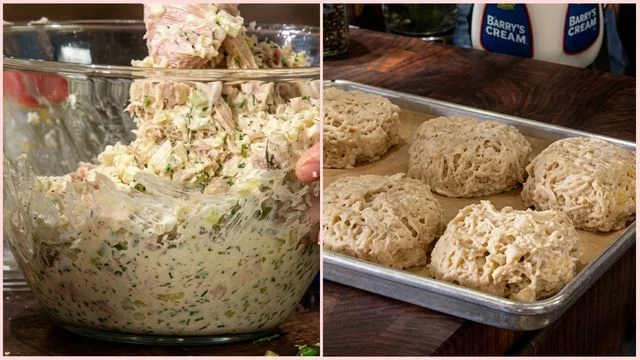
7. Shape the cakes. Form the mixture into about 6 cakes, roughly baseball-sized. They won’t spread much, so don’t worry about shape.
8. Prep the pan. Lightly oil a cast iron skillet or oven-safe dish with olive oil or cooking spray.
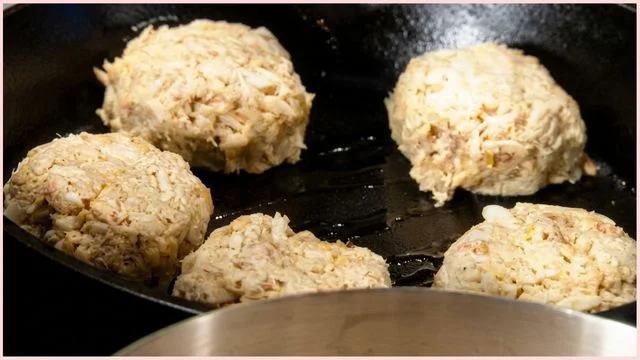
9. Broil, don’t fry. Preheat your oven to 400°F, then switch on the broiler. Place the crab cakes in the skillet and slide it under the broiler until golden brown on top, about 12–15 minutes, watching closely so they don’t burn.
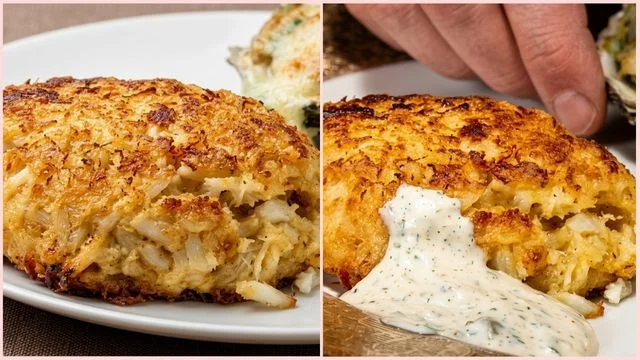
10. Serve immediately. Plate the crab cakes with a generous spoonful of Old Bay remoulade on the side or drizzled on top.
Pro Tips for Getting the Crab Cake Flavor Just Right
The single biggest crab cake mistake is over-mixing – stir too aggressively and you’ll shred all that beautiful lump meat into mush, losing the texture that makes a great crab cake great. Fold gently, and stop as soon as everything is barely combined.
Second mistake: too much filler. Use just enough egg, mayo, and cracker crumbs to bind the mixture; if you can taste the breadcrumbs more than the crab, you’ve overdone it. Chilling the mixture before shaping is non-negotiable – it lets the binder set up so the cakes hold their shape under the broiler instead of falling apart.
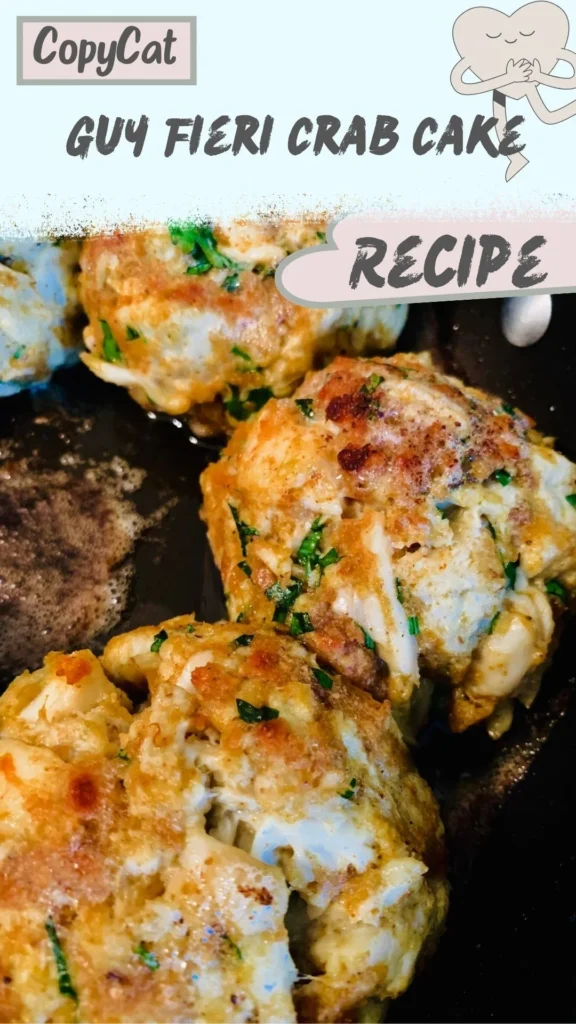
Finally, skip the deep fryer. Broiling develops a golden crust without a greasy coating, letting the natural sweetness of the crab shine through instead of masking it in oil.
Easy Variations to Customize This Crab Cake Recipe
Want a spicier crab cake? Double the hot sauce or add a pinch of cayenne to the mixture. For a smokier profile, swap in smoked paprika alongside the Old Bay.
If you prefer a crunchier exterior, press a light coating of panko onto the outside of each cake before broiling. Gluten-free? Use crushed gluten-free crackers or almond flour as the binder instead of traditional crackers.
You can also swap lump crab for a mix of crab and cooked shrimp for a seafood cake twist, or fold in finely diced bell pepper and scallions for extra color and crunch without overwhelming the crab flavor.
Best Ways to Serve This Crab Cake in Your Meals
This crab cake recipe is versatile enough to anchor almost any meal. For a classic approach, serve it as a main course with a simple arugula salad dressed in lemon vinaigrette and a side of roasted asparagus or corn on the cob – the acidity and freshness balance the richness of the crab.
Turn it into a stunning appetizer by making mini crab cakes and topping each with a small dollop of remoulade for a dinner-party-ready bite. For a heartier meal, place a crab cake on a toasted brioche bun with lettuce, tomato, and extra remoulade for an elevated crab cake sandwich.
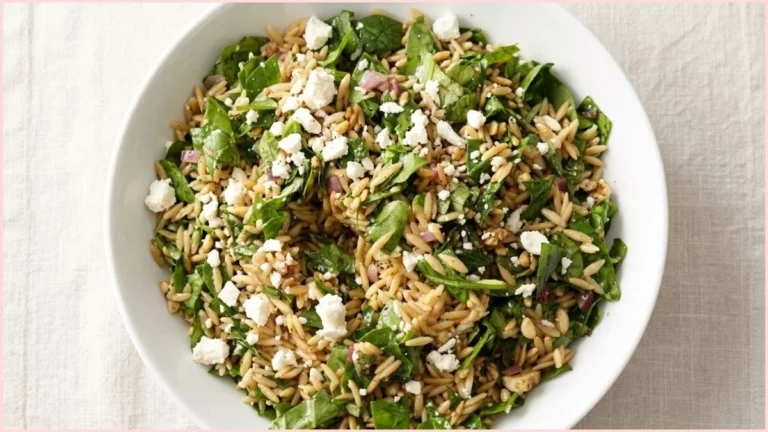
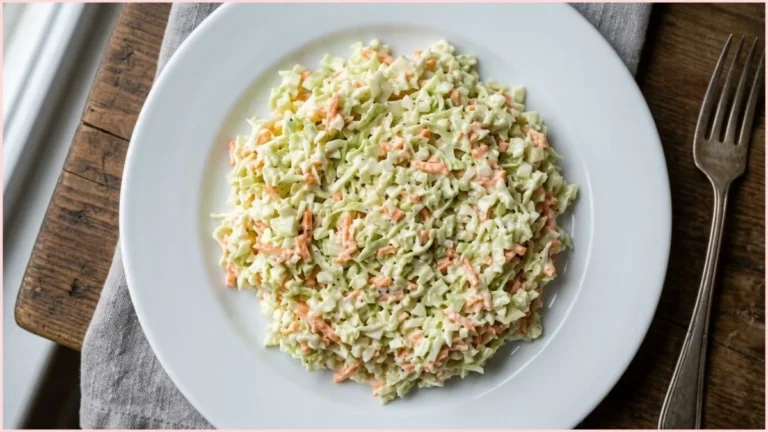
It also shines alongside classic Southern sides like coleslaw, hush puppies, or Orzo Spinach and Feta Salad. For brunch, try topping a crab cake with a poached egg and a drizzle of remoulade in place of hollandaise. However you plate it, keep the sides light and bright so the crab stays the star of the dish.
How to Store and Keep This Crab Cake Fresh
Store leftover crab cakes in an airtight container in the refrigerator for up to 3 days. Keep the remoulade in a separate sealed container, as it will stay fresh for up to a week.

To reheat, place the crab cakes under the broiler or in a 350°F oven for 8–10 minutes until warmed through and re-crisped on top – avoid the microwave, as it makes them rubbery. Crab cakes can also be frozen uncooked for up to 2 months; thaw in the fridge overnight before broiling.
Crab Cake Nutrition Facts and Dietary Notes
One crab cake (without remoulade) contains approximately 220–260 calories, with crab meat providing lean protein, vitamin B12, selenium, and omega-3 fatty acids. For a lighter version, use light mayonnaise and reduce the crackers slightly.
This recipe can be made gluten-free with gluten-free crackers, and lower-carb by swapping crackers for almond flour or crushed pork rinds. It’s naturally low in carbohydrates and rich in protein, making it a satisfying option for high-protein or pescatarian eating patterns.
Frequently Asked Questions
Common Guy Fieri Crab Cake Recipe questions answered to help you understand it better
What’s the difference between lump crab meat and backfin crab meat?
Lump crab meat comes from the large muscles behind the crab’s swimming legs and has big, tender pieces. Backfin meat is smaller, flakier meat from the body, often mixed with some broken lump pieces – it’s slightly less pricey but still full of flavor.
Why broil crab cakes instead of frying them?
Broiling creates a golden, toasted top without needing a breaded, oil-fried crust, so the crab flavor stays clean and unmasked. It’s also a lighter, less messy cooking method than pan-frying.
Can I make this crab cake recipe ahead of time?
Yes. Shape the crab cakes and refrigerate them, covered, for up to a day before broiling. The remoulade can be made up to a week in advance and actually improves as the flavors meld.
What can I use instead of Creole mustard in the remoulade?
Whole grain mustard or spicy brown mustard makes a great substitute, offering similar tang and texture to the remoulade.
How do I keep my crab cakes from falling apart?
Use just enough binder (egg, mayo, crackers) to hold the mixture together, fold gently, and chill the shaped cakes for at least 30 minutes before cooking so they firm up.
Is this crab cake recipe gluten-free?
Not as written, since it uses butter crackers, but it’s easily adapted by substituting gluten-free crackers or almond flour as the binder.
Guy Fieri Crab Cake Recipe
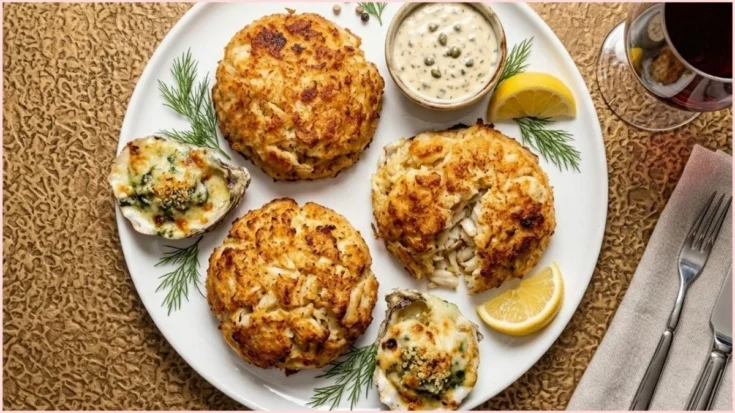
The first time I made this Guy Fieri crab cake recipe, I almost skipped the broiler step out of habit – old fried-crab-cake muscle memory is hard to break. I’m glad I didn’t. One bite and there was no filler taste, no greasy crust, just pure sweet lump crab meat held together with the barest hint of binder. This recipe flips the script on the classic diner-style crab cake: instead of drowning the crab in breadcrumbs and pan-frying it into a hockey puck, you broil it until golden, letting the crab do all the talking.
Ingredients
- 1 lb lump crab meat
- ½ lb backfin crab meat
- 2 large eggs, lightly beaten
- ½ cup mayonnaise
- 1 cup crushed butter crackers
- 1 teaspoon Old Bay seasoning
- Zest of 1 lemon
- A few dashes of hot sauce
- Olive oil or cooking spray, for the pan
- 1 cup mayonnaise
- 1 tablespoon Old Bay seasoning
- 2 tablespoons Creole mustard
- 2 tablespoons pickle juice
- 2 tablespoons capers, chopped
- 2 tablespoons fresh chives, chopped
- Zest of 1 lemon
- Salt and black pepper, to taste
Instructions
- Zest the lemons. Zest two lemons and divide the zest evenly – half for the remoulade, half for the crab cakes.
- Make the remoulade first. In a bowl, combine 1 cup mayonnaise, 1 tablespoon Old Bay, Creole mustard, pickle juice, chopped capers, chopped chives, half the lemon zest, salt, and pepper. Mix well, cover, and refrigerate – this lets the flavors meld while you make the cakes.
- Build the binder. In a separate large bowl, whisk together the eggs, ½ cup mayonnaise, remaining lemon zest, 1 teaspoon Old Bay, crushed crackers, and a few dashes of hot sauce.
- Fold in the backfin meat. Add the backfin crab meat first and mix lightly, like you’re making a meatball mixture – just enough to combine.
- Gently fold in the lump crab meat. Add the prized lump crab meat last and fold very gently so the big pieces stay intact. The mixture should look loosely bound, not pasty.
- Let the mixture rest. Chill for about 30 minutes so the crab cakes firm up and hold together when cooked.
- Shape the cakes. Form the mixture into about 6 cakes, roughly baseball-sized. They won’t spread much, so don’t worry about shape.
- Prep the pan. Lightly oil a cast iron skillet or oven-safe dish with olive oil or cooking spray.
- Broil, don’t fry. Preheat your oven to 400°F, then switch on the broiler. Place the crab cakes in the skillet and slide it under the broiler until golden brown on top, about 12–15 minutes, watching closely so they don’t burn.
- Serve immediately. Plate the crab cakes with a generous spoonful of Old Bay remoulade on the side or drizzled on top.
Notes
Store leftover crab cakes in an airtight container in the refrigerator for up to 3 days. Keep the remoulade in a separate sealed container, as it will stay fresh for up to a week. To reheat, place the crab cakes under the broiler or in a 350°F oven for 8–10 minutes until warmed through and re-crisped on top – avoid the microwave, as it makes them rubbery. Crab cakes can also be frozen uncooked for up to 2 months; thaw in the fridge overnight before broiling.
Nutrition Information:
Yield:
8Serving Size:
1Amount Per Serving: Calories: 320
This Guy Fieri crab cake recipe proves that the best crab cakes need almost no help at all – just quality lump crab, a light binder, and a broiler instead of a fryer. Paired with a tangy Old Bay remoulade, it’s an easy, impressive dish for a weeknight dinner or a dinner party centerpiece.
Once you taste crab cakes made this way, with big, tender lumps of crab in every bite, it’s hard to go back to the heavy, breaded, deep-fried version.
If you enjoyed this recipe, be sure to save it and share it with friends. Don’t forget to follow us on Pinterest and YouTube for more cozy and comfort recipes.