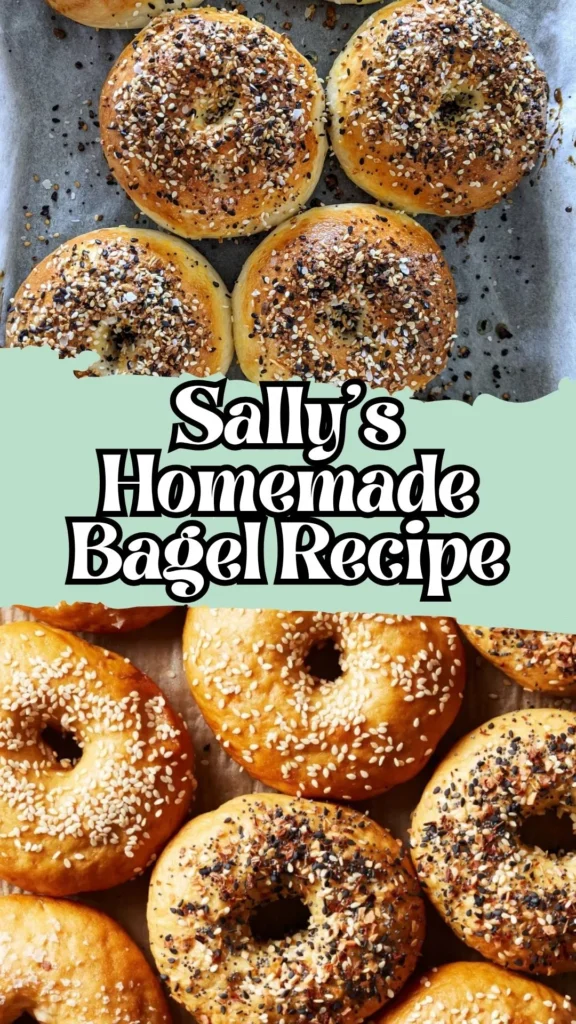
Sally’s Homemade Bagel Recipe
Hi bakers, I’m Sally, and there’s nothing quite like the smell of homemade bagels filling your kitchen on a Sunday morning. I still remember the first time I pulled a tray of golden, chewy bagels out of my own oven – I couldn’t believe something this good came from just five pantry staples.
This homemade bagel recipe is one of my most-loved recipes on Sally’s Baking Addiction and in my cookbook, Sally’s Baking 101, and for good reason: it’s beginner-friendly, requires no fancy equipment, and delivers that authentic, chewy bagel shop texture every time.
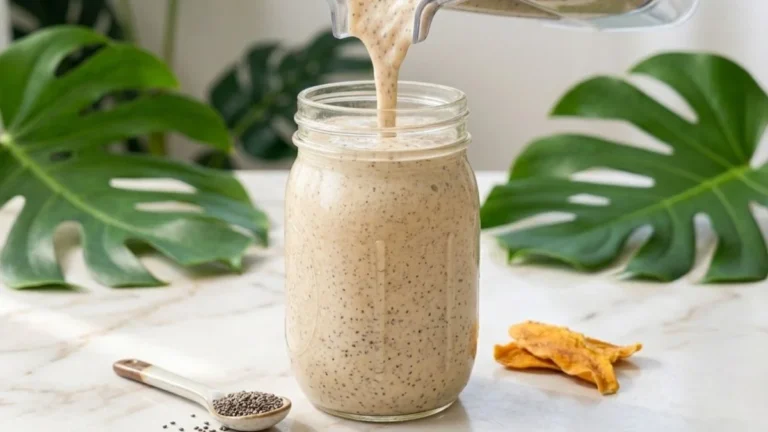
Serve it alongside a refreshing Tropical Smoothie Chia Banana Boost for a delicious and satisfying breakfast or snack pairing. Whether you like yours plain, toasted, or piled high with cream cheese, this bagel recipe will become your new weekend baking ritual.
What Is a Bagel and Why Do Fans Love Homemade Bagels?
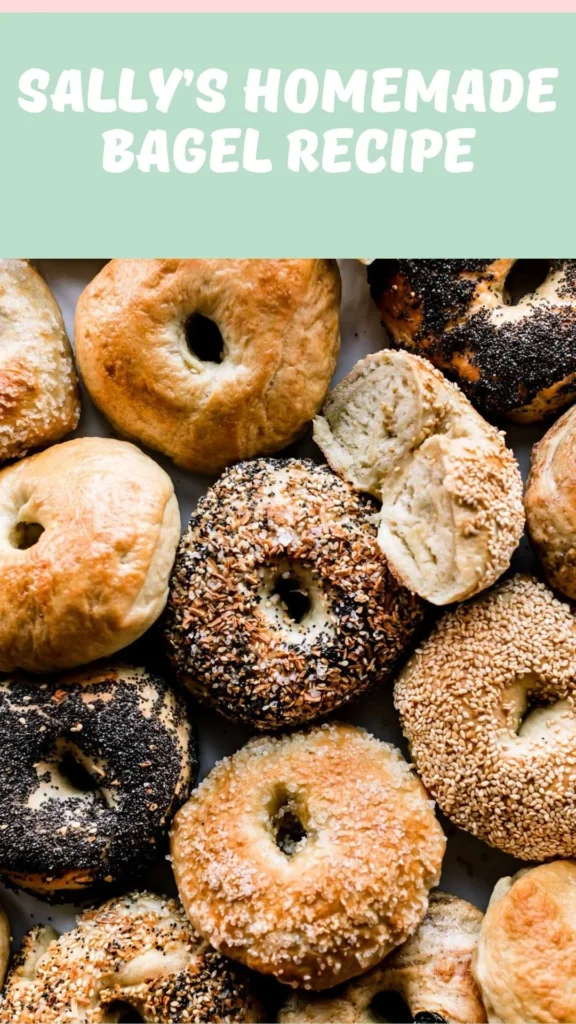
A bagel is a dense, chewy, ring-shaped bread with a shiny, slightly crisp crust – a texture that comes from a unique two-step process of boiling, then baking.
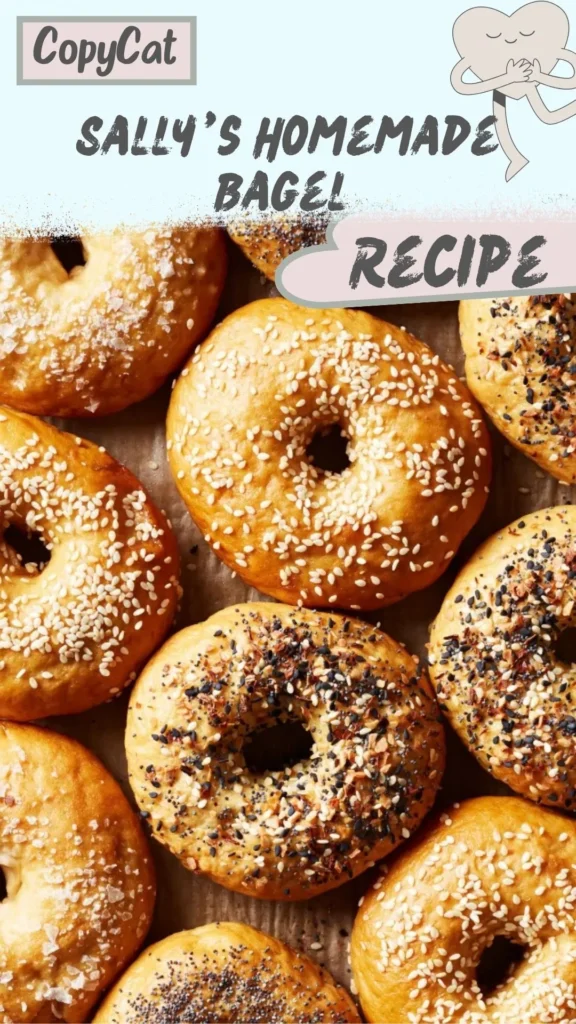
Unlike a soft dinner roll or fluffy sandwich bread, this homemade bagel recipe uses high-protein bread flour and a quick simmer in malt-sweetened water, which sets the crust and locks in that signature chew. Bagels trace back to Jewish communities in Poland before becoming a beloved American breakfast staple, especially in New York City.
Fans love them because they’re endlessly versatile – plain, seeded, or stuffed with raisins – and nothing compares to the nostalgic, satisfying bite of one made completely from scratch at home.
Sally’s Homemade Bagel Recipe Ingredients
For the dough:
- 1 ½ cups (360ml) warm water (100–110°F)
- 2 ¾ teaspoons instant or active dry yeast (a little more than 1 standard packet)
- 1 tablespoon barley malt syrup (or granulated sugar)
- 4 cups (500g) bread flour, plus more for kneading
- 2 teaspoons salt
And for the water bath:
- 2 quarts (8 cups) water
- ¼ cup barley malt syrup (or honey)
The egg wash:
- 1 egg white
- 1 tablespoon water
Optional toppings:
- Sesame seeds
- Poppy seeds
- Everything bagel seasoning
- Flaky salt
Key Ingredient Substitutions for This Bagel Recipe
Bread flour: This is non-negotiable for the classic chewy bagel texture, thanks to its higher protein content. In a pinch, all-purpose flour works, but bagels will turn out softer and less chewy.
Barley malt syrup: Traditional and adds a distinctive malty flavor to both the dough and the boiling water. If you can’t find it locally or online, substitute honey or granulated sugar with very similar results.
Yeast: Either instant or active dry yeast works interchangeably in this bagel recipe = just proof active dry yeast in warm water first.
Egg wash: No egg white on hand? Brush bagels with plain water instead to help toppings stick, though you’ll get slightly less shine.
Tools You Need to Make This Bagel Recipe at Home
- Stand mixer with dough hook (or a large mixing bowl and sturdy wooden spoon)
- Large pot for the water bath
- Baking sheets, lined with parchment
- Slotted spatula or sieve
- Kitchen scale (optional, for even portions)
- Pastry brush
Prep time: About 2.5 hours (includes rising and resting)
Cook time: 20–25 minutes
Total time: Approximately 3 hours
Yield: 8 bagels
Step-by-Step Instructions to Make This Bagel Recipe
1. Activate the Yeast
Activate the yeast. Whisk together warm water, yeast, and barley malt syrup (or sugar) in a bowl.
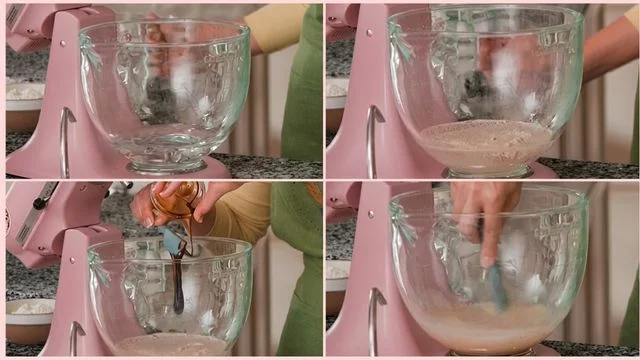
Cover and let sit until foamy, about 5–10 minutes.
2. Mix & Knead the Dough
Mix the dough. Add bread flour and salt to the yeast mixture. Using a dough hook on medium speed (or a wooden spoon), mix until the dough pulls away from the bowl’s sides, about 2 minutes. Add flour or water a little at a time if the dough is too sticky or too dry.
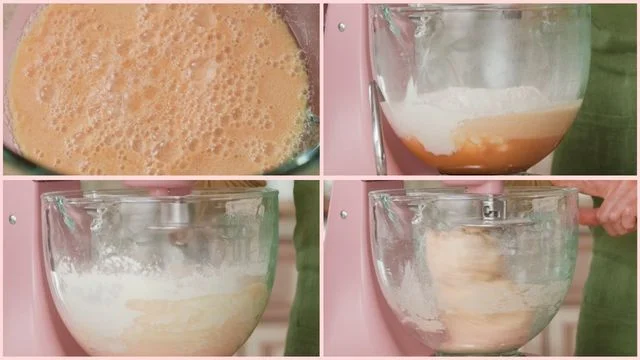
Knead the dough. Knead by hand or with a stand mixer for 6–7 minutes until smooth and elastic. Test readiness with the poke test (dough springs back) or the windowpane test (a small piece stretches thin enough to see light through without tearing).
3. First Rise
Let it rise.
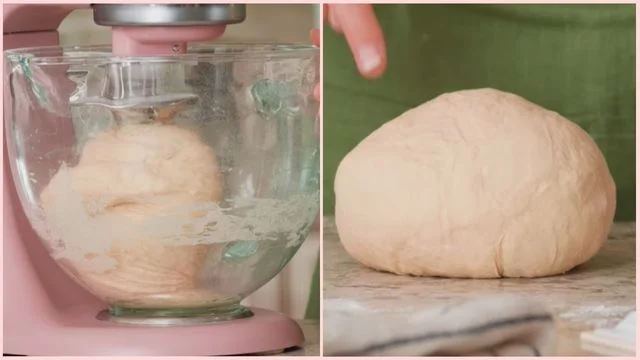
Place the dough in a greased bowl, cover, and let rise 1½–2 hours until doubled in size.
4. Divide, Shape & Rest
Divide and shape. Punch down the dough, divide into 8 equal portions (about 4 oz/113g each), and roll into balls.
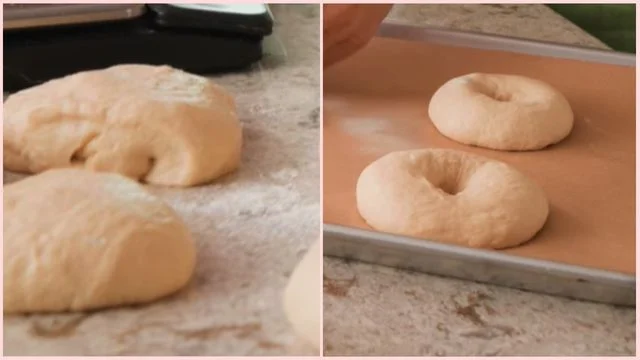
Poke a hole through the center with your finger and gently stretch to form a 1½–2 inch opening. Rest. Place shaped bagels on a lined baking sheet, cover loosely, and let rest 5–10 minutes.
5. Boil the Bagels
Prepare the water bath. Bring 2 quarts of water and ¼ cup barley malt syrup (or honey) to a boil in a large pot.
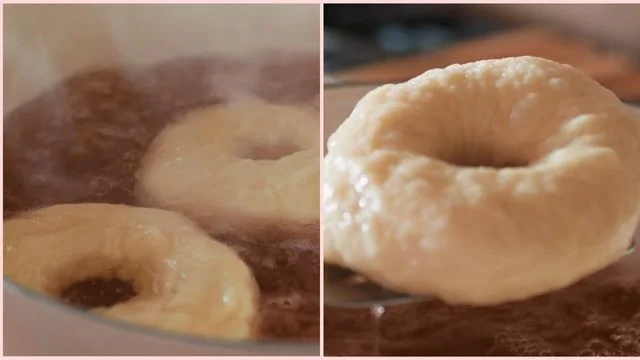
Boil the bagels. Boil 2–3 bagels at a time for 1 minute per side. Remove with a slotted spatula, draining excess water.
6. Top, Bake & Cool
Add egg wash and toppings. Brush boiled bagels with egg wash, then dip or sprinkle with your favorite toppings. Bake.
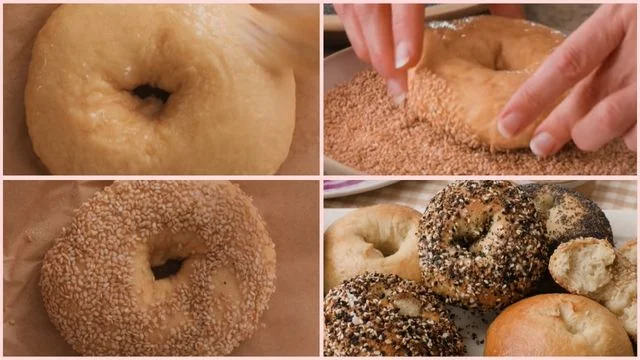
Bake at 425°F for 20–25 minutes, rotating pans halfway, until deeply golden brown. Cool and enjoy. Let bagels cool about 20 minutes before slicing and serving.
Pro Tips for Getting This Bagel Recipe Just Right
Don’t skip the boiling step – it’s what separates a real bagel from a bagel-shaped roll, giving that chewy crust and signature texture. Always use bread flour, not all-purpose, for enough structure and chew.
Your dough should feel stiff, heavy, and slightly tacky (not sticky) – add flour or water a tablespoon or teaspoon at a time to adjust. Knead long enough to pass the windowpane test; under-kneaded dough won’t develop the gluten needed for proper chew.
When boiling, don’t overcrowd the pot, and keep the water at a gentle boil rather than a violent one. Finally, roll toppings onto the sides of the bagel, not just the top, for seasoning in every bite.
Easy Variations to Customize This Bagel Recipe
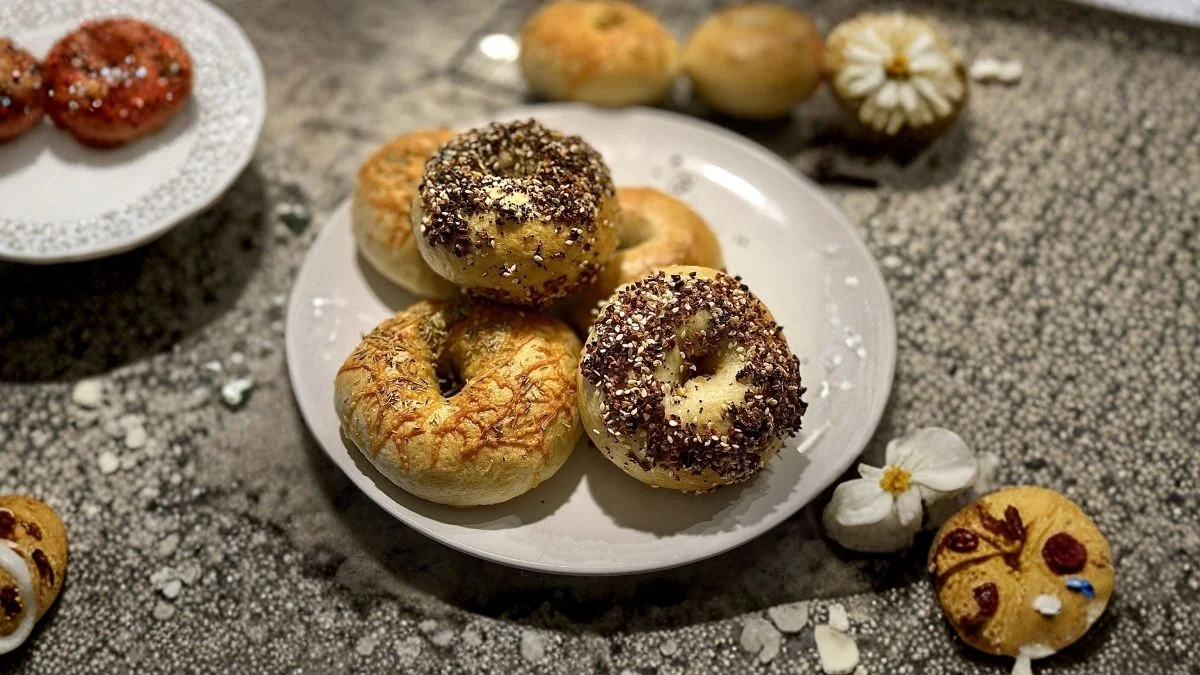
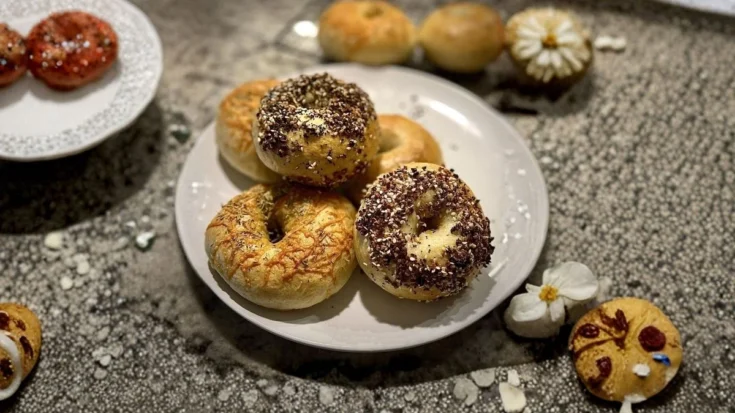
This dough is wonderfully adaptable. For cinnamon raisin bagels, knead in raisins along with a swirl of cinnamon sugar and a touch of vanilla. For a savory twist, try everything bagel seasoning, poppy seeds, sesame seeds, or a sprinkle of flaky salt.
You can also experiment with garlic and onion flakes for a bakery-style blend, or fold in shredded cheddar before shaping for cheesy bagels. If you prefer a lighter loaf, swap a portion of bread flour for whole wheat flour, keeping in mind the texture will be slightly denser and less chewy overall.
Best Ways to Enjoy Homemade Bagels
Fresh homemade bagels are best enjoyed warm, sliced in half and lightly toasted with a generous smear of cream cheese. For a classic breakfast, top with lox, capers, red onion, and a squeeze of lemon.
Turn one into a hearty breakfast sandwich with a fried egg, cheese, and crispy bacon or sausage. Sweeter toppings work beautifully too – try honey and ricotta, or peanut butter and sliced banana. Bagels also make a great base for open-faced avocado toast with a sprinkle of chili flakes and everything seasoning. For lunch, slice a bagel for a deli-style sandwich piled with turkey, lettuce, and mustard.
Cinnamon raisin bagels pair perfectly with butter and a drizzle of honey. However you serve them, homemade bagels taste best fresh and slightly warm, so consider timing your baking around when you plan to eat.
How to Store and Reheat Bagels
Store cooled bagels in an airtight container or bag at room temperature for up to 2 days. For longer storage, freeze bagels (whole or sliced) for up to 3 months in a freezer-safe bag.
To reheat, toast frozen or day-old bagels directly from frozen, or warm them in a 350°F oven for about 5–8 minutes until the crust crisps back up.
Nutrition Facts and Dietary Notes
One plain homemade bagel contains approximately 250–280 calories, depending on size and toppings, with a good amount of carbohydrates for energy and a modest protein boost from the bread flour.
For a vegan version, simply skip the egg wash and brush with water or plant milk instead. This recipe isn’t naturally gluten-free or keto-friendly, as bread flour is essential to the texture, though gluten-free bread flour blends can be tested with mixed results.
Homemade bagels also let you control sodium and sugar levels, making them a healthier alternative to many store-bought versions loaded with preservatives.
Frequently Asked Questions About This Bagel Recipe
Everything you need to know about Sally’s Homemade Bagel Recipe: common questions answered
Can I use all-purpose flour instead of bread flour?
You can, but the bagels will be softer and less chewy, since bread flour’s higher protein content is what creates that classic dense, chewy bite.
Why do I need to boil the bagels before baking?
Boiling sets the crust and gives bagels their signature chewy texture and shine. Skipping this step results in bagel-shaped bread rolls, not true bagels.
Can I make this bagel recipe without a stand mixer?
Absolutely – mix and knead the dough by hand with a sturdy spoon and a little extra elbow grease; it just takes a bit more time and effort.
What can I use instead of barley malt syrup?
Honey or granulated sugar both work well as substitutes in the dough and the boiling water, with only a slight difference in flavor.
How do I know when my dough has been kneaded enough?
Use the poke test (dough springs back without sticking) or the windowpane test (a small piece stretches thin enough to see light through without tearing).
Can I freeze homemade bagels?
Yes, bagels freeze beautifully for up to 3 months. Freeze them whole or pre-sliced, then toast directly from frozen whenever you’re ready to enjoy one.
Sally’s Homemade Bagel Recipe
Hi bakers, I’m Sally, and there’s nothing quite like the smell of homemade bagels filling your kitchen on a Sunday morning. I still remember the first time I pulled a tray of golden, chewy bagels out of my own oven – I couldn’t believe something this good came from just five pantry staples. This homemade bagel recipe is one of my most-loved recipes on Sally’s Baking Addiction and in my cookbook, Sally’s Baking 101, and for good reason
Ingredients
- 1 ½ cups (360ml) warm water
- 2 ¾ teaspoons instant or active dry yeast
- 1 tablespoon barley malt syrup
- 4 cups (500g) bread flour, plus more for kneading
- 2 teaspoons salt
- 2 quarts (8 cups) water
- ¼ cup barley malt syrup
- 1 egg white
- 1 tablespoon water
Instructions
- Activate the Yeast
Activate the yeast. Whisk together warm water, yeast, and barley malt syrup (or sugar) in a bowl. Cover and let sit until foamy, about 5–10 minutes. - Mix & Knead the Dough
Mix the dough. Add bread flour and salt to the yeast mixture. Using a dough hook on medium speed (or a wooden spoon), mix until the dough pulls away from the bowl’s sides, about 2 minutes. Add flour or water a little at a time if the dough is too sticky or too dry. Knead the dough. Knead by hand or with a stand mixer for 6–7 minutes until smooth and elastic. Test readiness with the poke test (dough springs back) or the windowpane test (a small piece stretches thin enough to see light through without tearing). - First Rise
Let it rise. Place the dough in a greased bowl, cover, and let rise 1½–2 hours until doubled in size. - Divide, Shape & Rest
Divide and shape. Punch down the dough, divide into 8 equal portions (about 4 oz/113g each), and roll into balls. Poke a hole through the center with your finger and gently stretch to form a 1½–2 inch opening. Rest. Place shaped bagels on a lined baking sheet, cover loosely, and let rest 5–10 minutes. - Boil the Bagels
Prepare the water bath. Bring 2 quarts of water and ¼ cup barley malt syrup (or honey) to a boil in a large pot. Boil the bagels. Boil 2–3 bagels at a time for 1 minute per side. Remove with a slotted spatula, draining excess water. - Top, Bake & Cool
Add egg wash and toppings. Brush boiled bagels with egg wash, then dip or sprinkle with your favorite toppings. Bake. Bake at 425°F for 20–25 minutes, rotating pans halfway, until deeply golden brown. Cool and enjoy. Let bagels cool about 20 minutes before slicing and serving.
Notes
Store cooled bagels in an airtight container or bag at room temperature for up to 2 days. For longer storage, freeze bagels (whole or sliced) for up to 3 months in a freezer-safe bag. To reheat, toast frozen or day-old bagels directly from frozen, or warm them in a 350°F oven for about 5–8 minutes until the crust crisps back up.
Nutrition Information:
Yield:
8Serving Size:
1Amount Per Serving: Calories: 180
Making homemade bagels from scratch might sound intimidating, but with just five simple ingredients and a little patience, you’ll have bakery-quality bagels right in your own kitchen. From activating the yeast to that essential boiling step, every stage builds toward that unbeatable chewy, golden result.
Whether you keep it classic or try a fun variation like cinnamon raisin, this bagel recipe is guaranteed to become a regular in your baking rotation. Give it a try – you’ll never look at store-bought bagels the same way again!
If you enjoyed this recipe, be sure to save it and share it with friends. Don’t forget to follow us on Pinterest and YouTube for more cozy and comfort recipes.