Japanese Sesame Sauce Recipe
The first time I toasted sesame seeds in a dry pan, the smell alone stopped me mid-step – warm, nutty, almost smoky, filling the kitchen in under a minute.
That’s the magic of a real Japanese sesame sauce recipe: it’s not just a dressing, it’s an aroma-first experience. I started making this at home after one too many disappointing store-bought bottles that tasted flat and overly sweet.
This version comes together in less than 10 minutes, using just six pantry staples, and delivers that deep, toasty, creamy flavor you’d expect from a good Tokyo izakaya. Once you taste homemade, you won’t go back.
What Is This Food and Why Do Fans Love It?
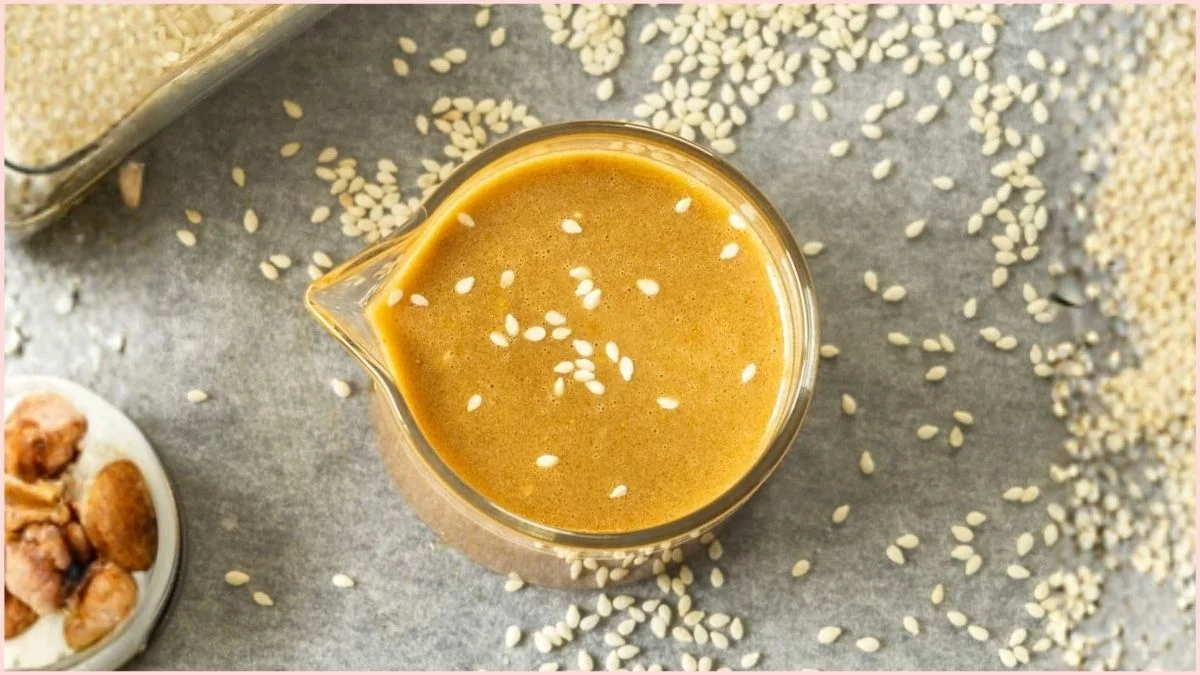
A Japanese sesame sauce recipe centers on one thing: freshly toasted, freshly ground sesame seeds. That single step is what separates it from generic sesame dressings – grinding releases the natural oils, giving the sauce a richer, almost caramelized nuttiness that pre-ground sesame simply can’t match.
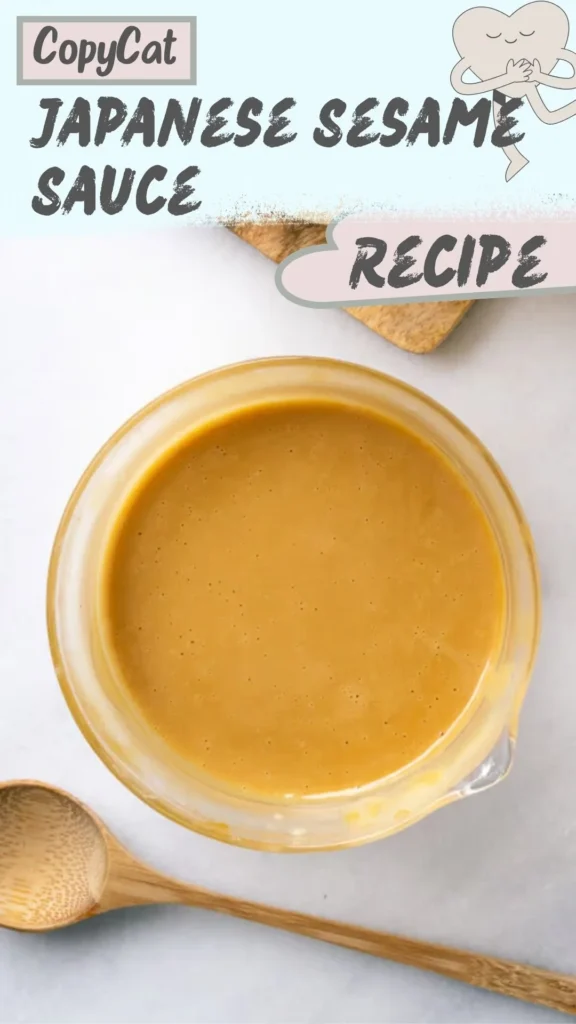
Traditionally made using a suribachi (a ridged Japanese mortar), this sauce has roots in home cooking and shabu-shabu dipping sauces, where nutty, savory flavors were prized for balancing simple vegetables and meats.
Compared to tahini-based dressings or Chinese sesame paste sauces, the Japanese version is lighter, slightly sweeter, and creamier thanks to Japanese mayonnaise. Fans love it because it’s endlessly versatile – equally at home on cold noodles, crisp salads, or grilled dishes.
Key Ingredients That Give This Japanese Sesame Sauce Its Signature Flavor
- White sesame seeds – 2 tablespoons (toasted and ground; the flavor backbone)
- Soy sauce – 1 teaspoon (adds salty umami depth)
- Rice vinegar – 1 teaspoon (brightens and balances richness)
- Sugar – 1½ teaspoons (rounds out the nuttiness with gentle sweetness)
- Sesame oil – 1 teaspoon (intensifies the toasted aroma)
- Japanese mayonnaise – 2 tablespoons (adds creaminess and a subtle tang, thanks to rice vinegar and egg yolk in its formula)
Key Ingredient Substitutions for This Japanese Sesame Sauce Recipe
- White sesame seeds → tahini or black sesame seeds: If you’re short on time, 1½ tablespoons of tahini can replace toasted-and-ground seeds, though you’ll lose a bit of the fresh-toasted aroma. Black sesame seeds work too, giving a slightly deeper, more bitter note.
- Japanese mayonnaise → regular mayo + rice vinegar: No Kewpie on hand? Mix 2 tablespoons regular mayonnaise with a few extra drops of rice vinegar and a pinch of sugar to mimic its tangy richness.
- Rice vinegar → apple cider vinegar: In a pinch, apple cider vinegar offers similar acidity, though it’s slightly fruitier.
- Sugar → honey or mirin: Either swap keeps the sauce’s gentle sweetness while adding a touch more complexity.
Tools You Need to Make This Japanese Sesame Sauce Recipe at Home
- Dry frying pan (skillet)
- Mortar and pestle (suribachi preferred, or a coffee grinder/food processor)
- Small mixing bowl
- Spoon or small whisk
- Measuring spoons
Prep time: 5 minutes
Cook time: 3–5 minutes (toasting)
Total time: Under 10 minutes
Steps to Make This Japanese Sesame Sauce Recipe
1. Preparing the Sesame Seeds for Toasting
Place the white sesame seeds in a dry frying pan – no oil needed.
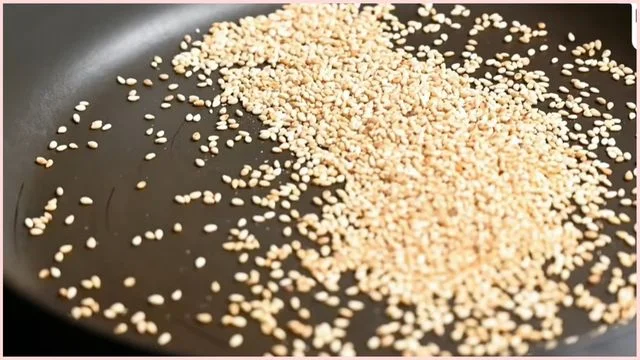
2. Toasting the Sesame Seeds
Toast on medium-high heat, shaking or stirring the pan continuously for even color.
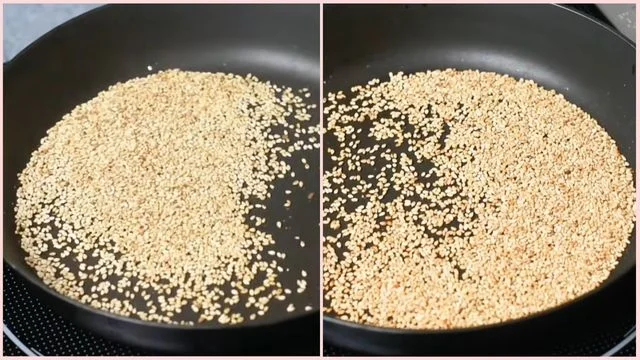
Toast until the seeds turn slightly golden and become fragrant, watching closely so they don’t burn.
3. Grinding the Toasted Seeds
Transfer the toasted seeds to a mortar and pestle (or coffee grinder/food processor) and grind into a fine powder.
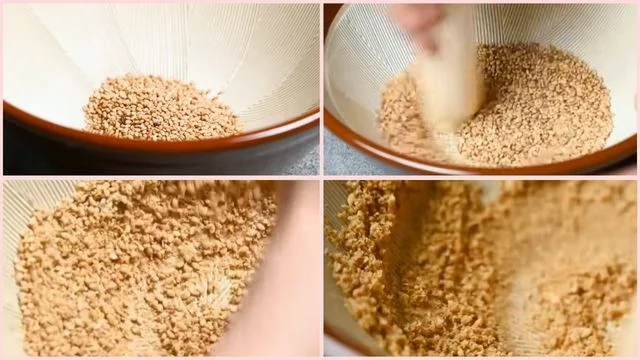
4. Preparing the Sauce Ingredients
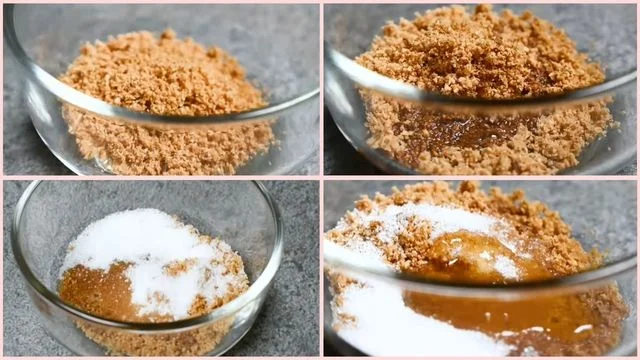
In a small bowl, combine the ground sesame with soy sauce, rice vinegar, sugar, sesame oil, and Japanese mayonnaise.
5. Mixing the Dressing
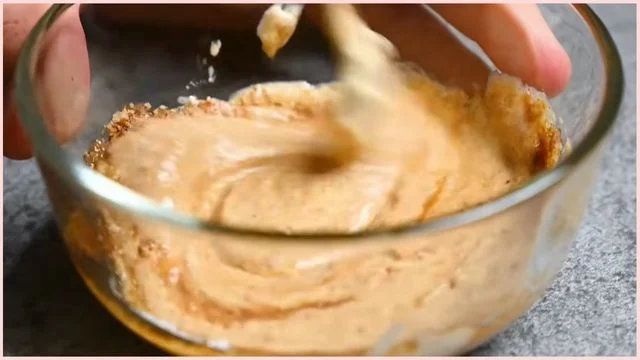
Mix thoroughly until fully blended and creamy.
6. Serving and Usage
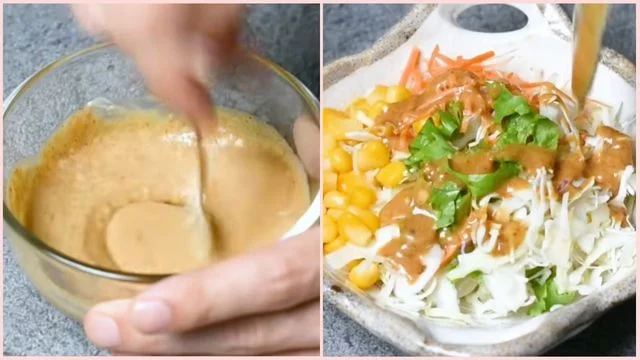
Use immediately on salads, noodles, or as a dipping sauce.
Pro Tips for Getting This Japanese Sesame Sauce Just Right
The biggest mistake home cooks make is skipping the toasting step or walking away from the pan – sesame seeds go from golden to burnt in seconds, so keep the pan moving constantly and pull them off heat the moment they smell nutty.
Grinding is equally important: don’t stop too early. You’re aiming for a slightly oily, fine texture, not whole seeds, since that’s what unlocks the deepest flavor. If your sauce feels too thick, thin it with a few drops of water or extra rice vinegar rather than more oil, which can make it greasy.
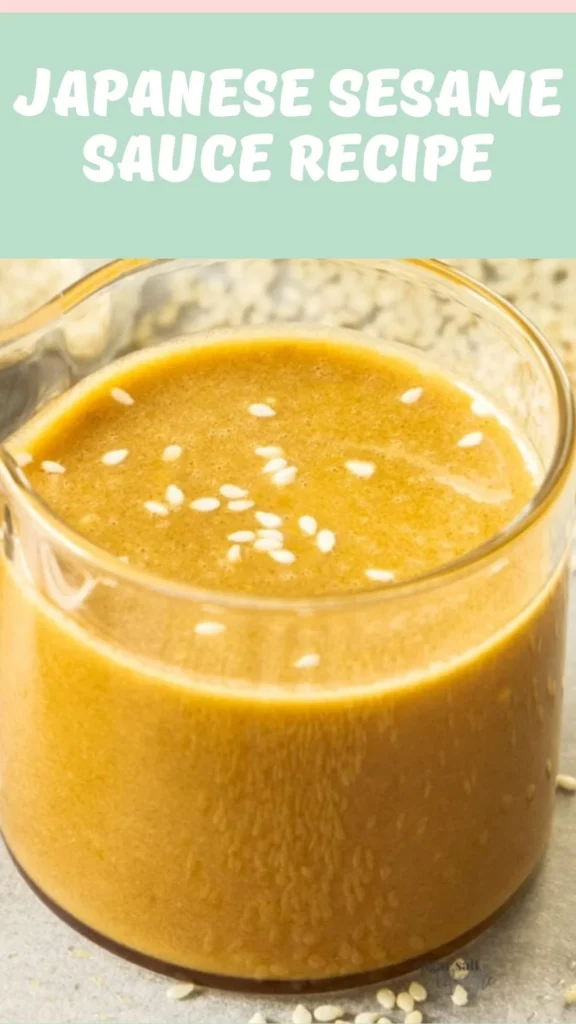
Taste before serving – sesame seeds vary in freshness and roast level, so you may need an extra pinch of sugar or splash of soy sauce to balance it. Always mix mayonnaise in last for the smoothest, creamiest texture.
Easy Variations to Customize This Japanese Sesame Sauce Recipe
Want a spicy kick? Stir in a small amount of chili oil or a pinch of shichimi togarashi. For a nuttier, more traditional shabu-shabu-style sauce, add a tablespoon of ground peanuts alongside the sesame.
Craving extra umami? A few drops of dashi or a touch of miso paste deepen the flavor beautifully. If you prefer a lighter, tangier version, reduce the mayonnaise slightly and increase the rice vinegar.
Vegan? Swap the mayonnaise for a plant-based version, and you’ll barely notice the difference. Each variation keeps the core toasted-sesame character intact while letting you tailor it to whatever dish you’re serving.
Best Ways to Use This Japanese Sesame Sauce in Your Meals
This Japanese sesame sauce recipe shines as a multitasker in the kitchen. Drizzle it over crisp iceberg lettuce or shredded cabbage for an instant Japanese-style salad. Toss it with cold soba or udon noodles for a quick, satisfying lunch bursting with nutty flavor.
It also makes an excellent dipping sauce for shabu-shabu, grilled chicken skewers, or steamed vegetables like broccoli and green beans. Try spooning it over sliced cucumbers and tomatoes for a refreshing side dish, or use it as a sandwich spread in place of plain mayo for extra depth.
Rice bowls benefit too – a spoonful over warm rice with a soft-boiled egg turns a simple bowl into something special. Because the sauce keeps its texture and flavor well, it’s just as good on hot dishes as cold ones, making it a genuinely versatile addition to weeknight meals or meal-prepped lunches.
How to Store and Keep This Japanese Sesame Sauce Fresh
Store the sauce in an airtight container in the refrigerator for up to 5 days. Give it a good stir before using, as the ingredients may separate slightly.
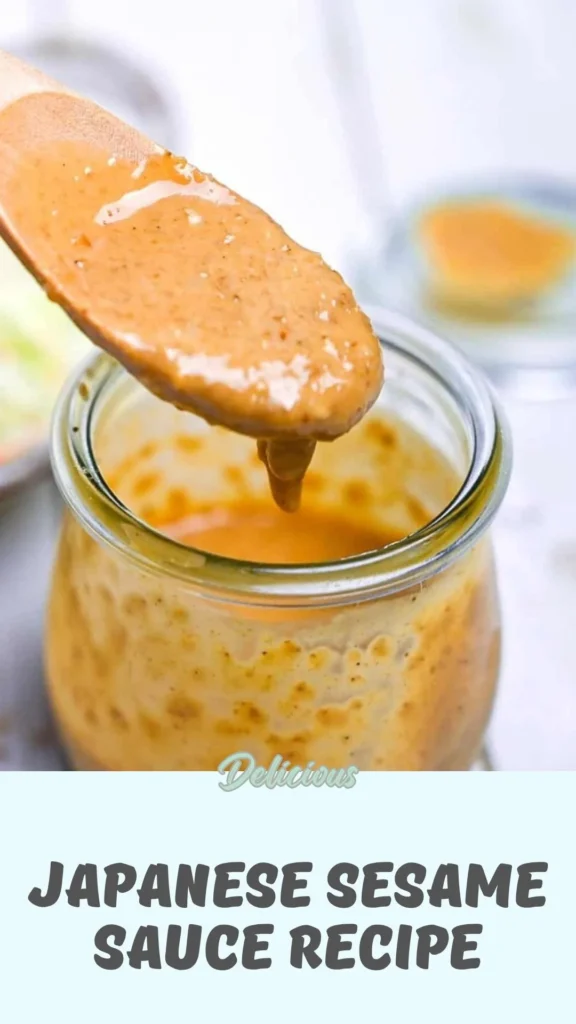
This sauce is best served cold or at room temperature, so reheating isn’t necessary – if using it on warm dishes, simply add it after cooking rather than heating it directly, which can dull the fresh sesame flavor.
Nutrition Facts and Dietary Notes
A typical serving (about 1 tablespoon) of this Japanese sesame sauce recipe contains roughly 45–55 calories, depending on the mayonnaise used. Sesame seeds provide healthy fats, calcium, and antioxidants.
For a lighter version, use low-fat mayonnaise. It’s naturally gluten-free if you use tamari instead of soy sauce, and easily made vegan with plant-based mayo. Keto followers can enjoy it as-is, since carbs are minimal and mostly come from the small amount of sugar.
FAQs About This Japanese Sesame Sauce Recipe
Everything you need to know about Japanese Sesame Sauce Recipe: common questions answered.
Can I make this sauce without a mortar and pestle?
Yes – a coffee grinder or small food processor works well for grinding toasted sesame seeds into a fine powder.
Why does my sesame sauce taste bitter?
Bitterness usually comes from over-toasting or burning the seeds. Toast just until golden and fragrant, then remove from heat immediately.
Is Japanese mayonnaise necessary, or can I use regular mayo?
Regular mayo works, but Japanese mayo (like Kewpie) adds a signature tang and creaminess that’s closer to the authentic flavor.
How long does homemade sesame sauce last?
Stored in an airtight container in the fridge, it stays fresh for up to 5 days.
Can I double or triple this recipe?
Absolutely – just keep the ratios the same and store extra sauce for later use throughout the week.
Is this sauce spicy?
No, the base recipe isn’t spicy, but you can easily add chili oil or togarashi for heat.
Japanese Sesame Sauce Recipe
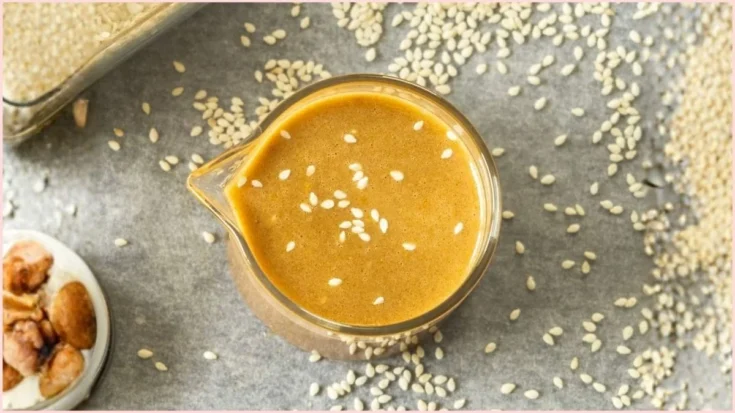
The first time I toasted sesame seeds in a dry pan, the smell alone stopped me mid-step – warm, nutty, almost smoky, filling the kitchen in under a minute.
That’s the magic of a real Japanese sesame sauce recipe: it’s not just a dressing, it’s an aroma-first experience. I started making this at home after one too many disappointing store-bought bottles that tasted flat and overly sweet.
Ingredients
- White sesame seeds – 2 tablespoons
- Soy sauce – 1 teaspoon
- Rice vinegar – 1 teaspoon
- Sugar – 1½ teaspoons
- Sesame oil – 1 teaspoon
- Japanese mayonnaise – 2 tablespoons
- White sesame seeds
- Japanese mayonnaise
- Rice vinegar
- Sugar
Instructions
- Preparing the Sesame Seeds for Toasting
Place the white sesame seeds in a dry frying pan – no oil needed. - Toasting the Sesame Seeds
Toast on medium-high heat, shaking or stirring the pan continuously for even color. Toast until the seeds turn slightly golden and become fragrant, watching closely so they don’t burn. - Grinding the Toasted Seeds
Transfer the toasted seeds to a mortar and pestle (or coffee grinder/food processor) and grind into a fine powder. - Preparing the Sauce Ingredients
In a small bowl, combine the ground sesame with soy sauce, rice vinegar, sugar, sesame oil, and Japanese mayonnaise. - Mixing the Dressing
Mix thoroughly until fully blended and creamy. - Serving and Usage
Use immediately on salads, noodles, or as a dipping sauce.
Notes
Store the sauce in an airtight container in the refrigerator for up to 5 days. Give it a good stir before using, as the ingredients may separate slightly. This sauce is best served cold or at room temperature, so reheating isn’t necessary – if using it on warm dishes, simply add it after cooking rather than heating it directly, which can dull the fresh sesame flavor.
Nutrition Information:
Yield:
8Serving Size:
1Amount Per Serving: Calories: 80
This Japanese sesame sauce recipe proves that a handful of simple ingredients, treated with a little care, can outshine anything store-bought. Whether drizzled over salad, noodles, or grilled vegetables, its toasty, creamy flavor makes every bite better.
Give it a try this week, and let me know in the comments how you served it – I always love hearing new ways to use this sauce. For more quick homemade condiments and Japanese-inspired recipes, browse around the blog and stay a while!
If you enjoyed this recipe, be sure to save it and share it with friends. Don’t forget to follow us on Pinterest and YouTube for more cozy and comfort recipes.