Mennonite Pickled Beets Recipe
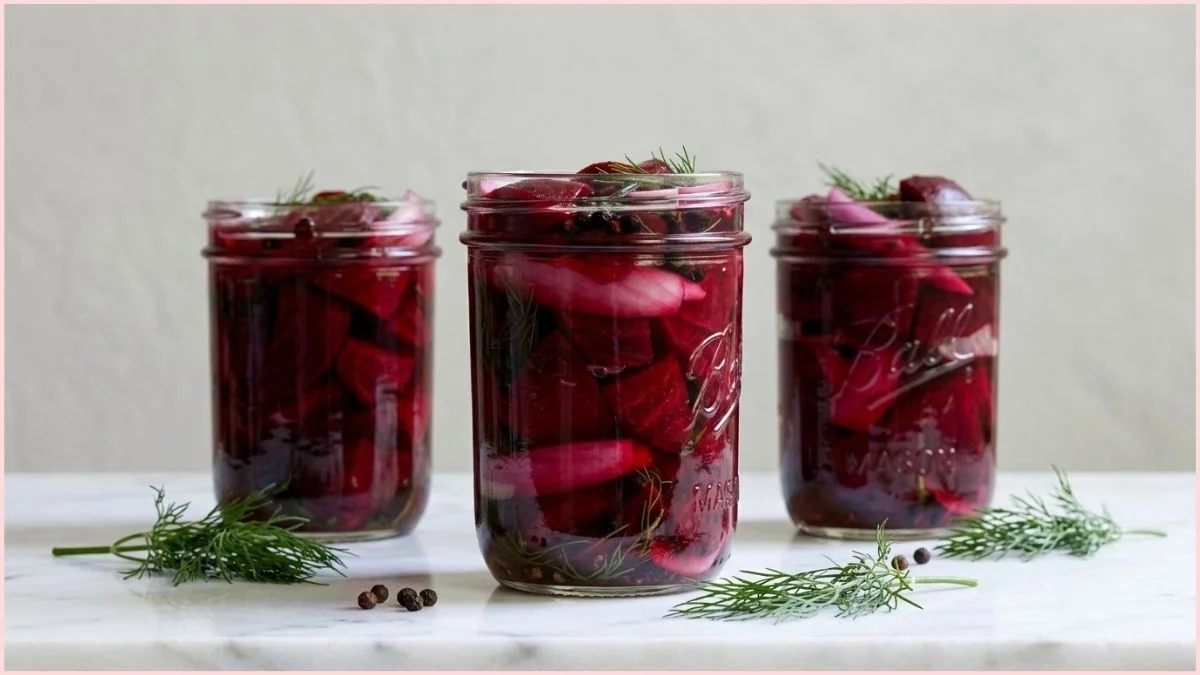
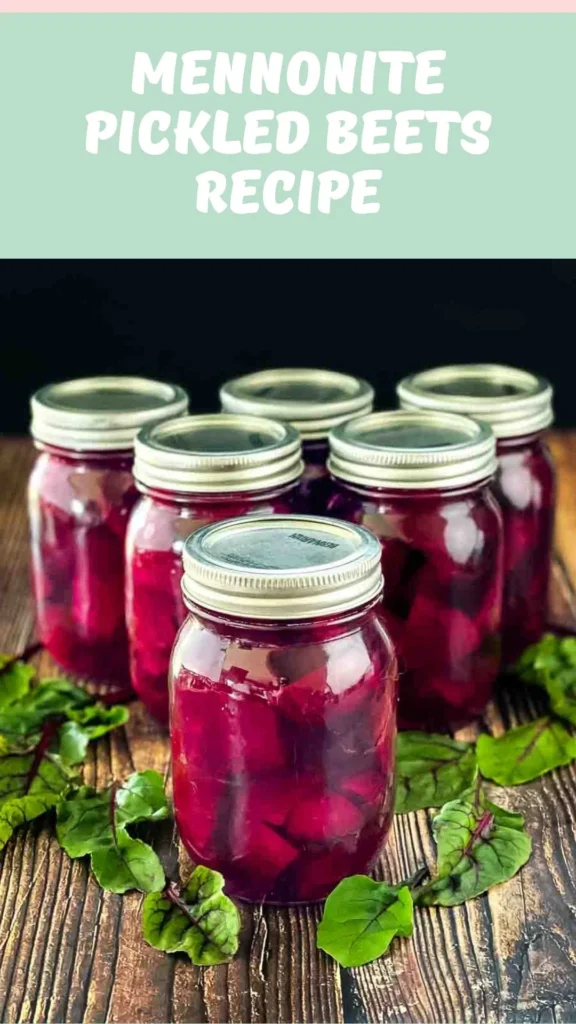
There’s something about spring turning to summer here at the farm that makes my hands itch to start canning. This Mennonite pickled beets recipe is one of the very first things I make every season, and it never fails to fill the kitchen with that sweet, vinegary smell that means summer preserving has officially begun.
I know pickled beets can sound like an odd thing to love, but one bite of these deep red, sweet-tangy beets and you’ll understand why they show up in every gourmet shop and farmhouse pantry.
This recipe is simple, forgiving for beginners, and yields six beautiful pints perfect for salads, relish trays, or homemade gifts. It pairs wonderfully with a scooby sandwich, add a sweet and tangy contrast alongside creamy coleslaw, or can be served with a classic vlasic dill pickle for a flavorful pickle platter.
What Are Mennonite Pickled Beets and Why Do Fans Love Them?
Mennonite pickled beets are a traditional preserved beet recipe built on a simple sweet vinegar brine, layered with fresh onion for extra depth. The flavor profile is unmistakable: earthy beets meet bright vinegar tang and a rounded sweetness, with a savory onion note running through every bite.
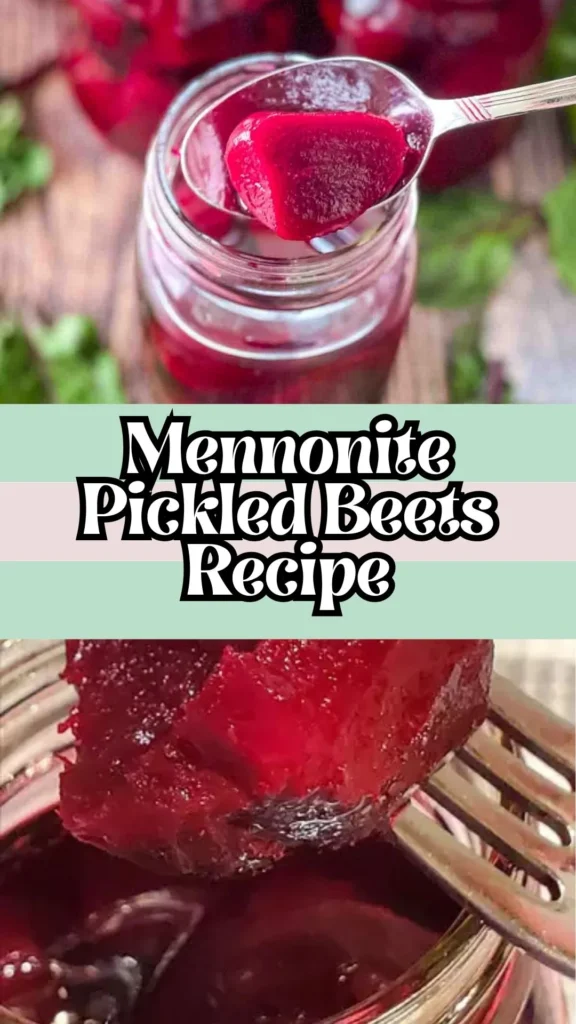
This style of pickling has deep roots in Mennonite farm kitchens, where preserving the garden harvest for winter was both necessity and tradition passed down through generations.
Compared to quick-pickled or refrigerator beets, Mennonite pickled beets are shelf-stable, canned for long-term storage, and often sweeter than vinegar-forward European styles. Their balance of sweet and tangy, plus that gorgeous ruby color, is exactly why fans keep coming back to this recipe year after year.
Mennonite Pickled Beets Ingredients
- 3 lbs fresh beets (dark red variety, such as Detroit Dark Red)
- 1 medium yellow or white onion, fresh cut
- 2 cups water
- 2 cups white distilled vinegar
- 2 cups granulated sugar
- 1 teaspoon salt
Yields approximately 6 pints
Key Ingredient Substitutions
- Beets: Dark red beets give the classic look, but golden or white beets work well if you prefer a milder flavor or different color on the plate.
- Onion: Yellow or white onion holds its structure best in the jar. Red onion is not recommended here since it softens too much during processing.
- Vinegar: White distilled vinegar gives the cleanest, sharpest tang. Apple cider vinegar can be substituted for a slightly fruitier, softer flavor, though the color may darken slightly.
- Sugar: Granulated sugar is traditional, but honey or a reduced-sugar blend can be used if you prefer a lighter sweetness, though the texture of the brine may vary slightly.
Tools You Need to Make Mennonite Pickled Beets at Home
- Large kettle (for boiling beets)
- Large canning water bath kettle
- Canning jars with new lids and rings (pint size)
- Jar lifter
- Vegetable scrub brush
- Kitchen gloves
- Sharp knife and cutting board
- Paper towels
Prep time: 30–40 minutes
Cook time: 25–35 minutes (boiling beets, preparing brine, water bath processing)
Total time: About 1 hour 15 minutes
Step-by-Step Instructions to Make This Mennonite Pickled Beets Recipe
1. Prepare the Raw Beets
Scrub the beets well with a brush to remove garden dirt and debris.
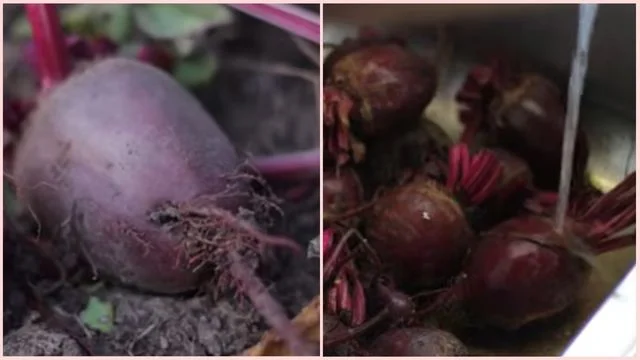
Leave the root and about an inch of stem intact to prevent bleeding.
2. Cook the Beets
Place beets in a large kettle, cover with water, and bring to a boil. Check beets periodically – small beets take 10–15 minutes, larger ones 15–25 minutes.
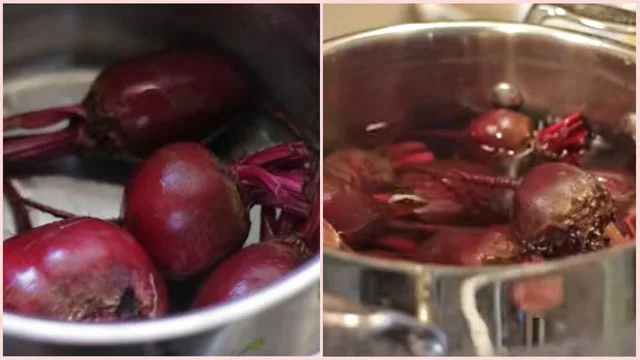
They’re done when a knife slides in with just a little resistance.
3. Cool and Peel the Beets
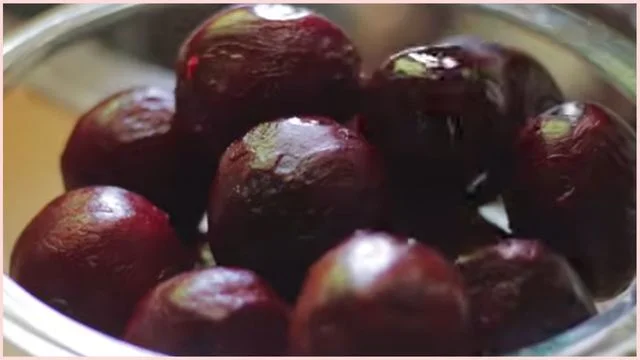
Let beets cool until safe to handle, then peel (wearing gloves to avoid staining).
4. Prepare Canning Equipment and Brine
Fill your canning water bath kettle at least halfway with water and bring to a boil. Sterilize jars by dipping them in the boiling water for a couple of minutes, then let air dry.
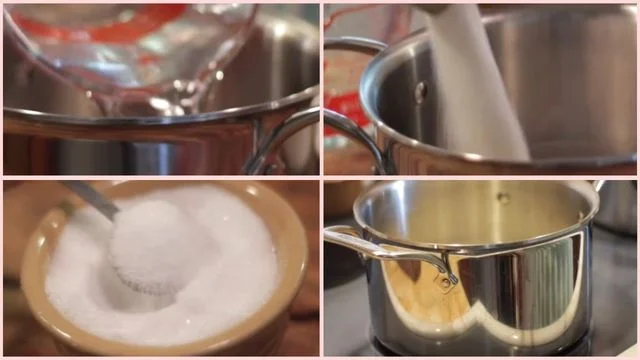
Wash lids in warm soapy water. In a separate kettle, combine 2 cups water, 2 cups vinegar, 2 cups sugar, and 1 teaspoon salt. Bring to a simmer.
5. Pack the Jars
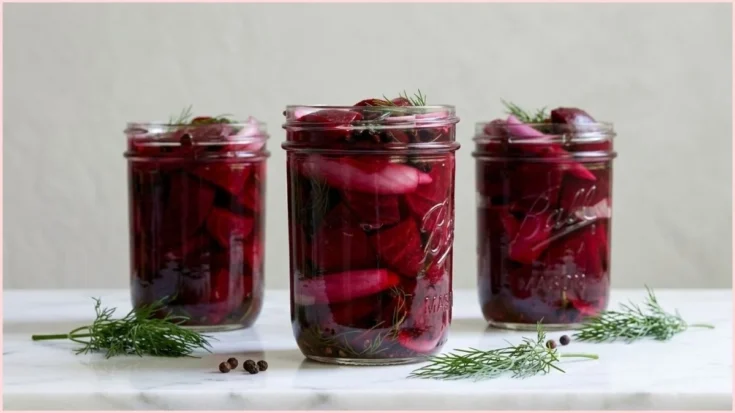
Place a small amount of fresh cut onion in the bottom of each jar. Slice or quarter the beets and pack them into the jars over the onion, without pressing too tightly. Top with a bit more fresh onion, leaving ½ inch of headspace.
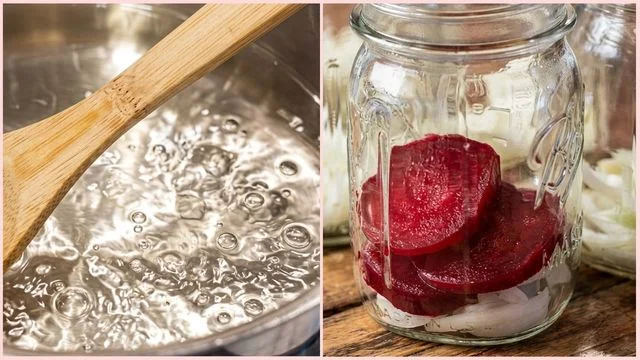
Bring the brine to a full boil, then pour over the beets, again leaving ½ inch headspace. Wipe jar rims clean with a paper towel dipped in boiling water. Place lids and rings on jars, tightening just until they catch – not overly tight.
6. Process and Seal the Jars
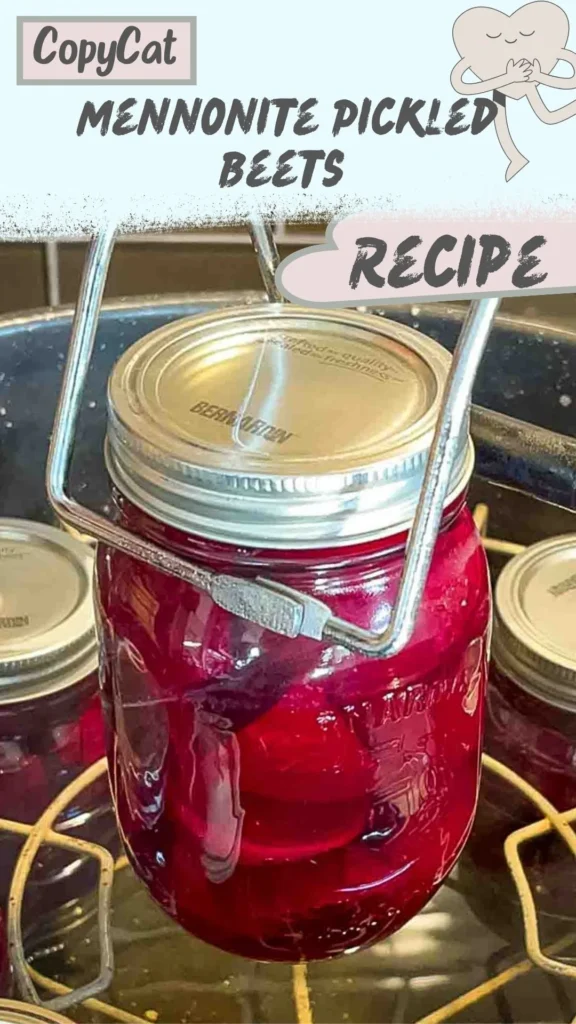
Lower jars into the boiling water bath, ensuring at least an inch of water covers them. Process for 10 minutes at a full boil.
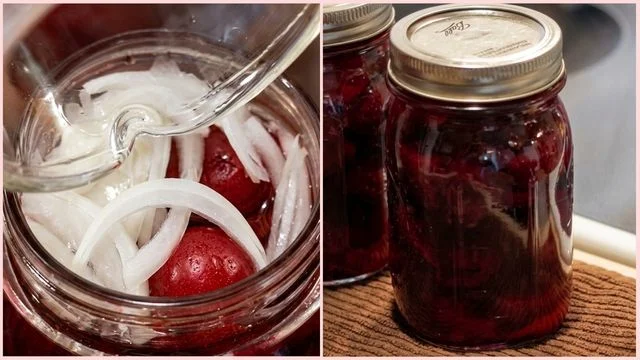
Remove jars with a jar lifter, place on a towel, and let cool completely undisturbed until you hear the lids seal with a pop.
Pro Tips for Getting the Flavor Just Right
The biggest mistake beginners make is overpacking the jars – pressing beets in too tightly can cause lids to bulge or fail to seal, so pack snugly but gently. Always leave that ½ inch of headspace; too little space prevents a proper seal, while too much can affect processing.
Make sure your brine is at a full rolling boil before pouring it over the beets – pouring cool or lukewarm brine risks contamination and poor sealing. Don’t skip wiping the jar rims; even a small drip of brine can prevent the lid from sealing correctly.
When tightening lids, go just until you feel resistance catch – overtightening can cause jars to buckle in the water bath, popping the lid and ruining the seal. Lastly, don’t panic if a jar or two doesn’t seal; simply refrigerate those and enjoy them first. It happens to every canner, even experienced ones.
Easy Variations to Customize This Food
Once you’ve mastered the base recipe, there’s plenty of room to make it your own. Add a few whole cloves, a cinnamon stick, or a bay leaf to the brine for warm, spiced pickled beets.
Toss in a sliced jalapeño for a spicy kick, or a few peppercorns for subtle heat. Swap in golden beets for a milder, less earthy flavor and a striking color contrast on a relish tray.
For a tangier profile, reduce the sugar slightly and increase the vinegar ratio. You can also experiment with fresh dill or garlic cloves layered into the jar alongside the onion for an herbaceous twist on the classic recipe.
Best Ways to Use Pickled Beets in Your Meals
Pickled beets are incredibly versatile once the jar is opened. They’re a natural addition to any relish tray, adding color and tang alongside pickles and olives. Slice them onto a green salad with goat cheese and walnuts for a classic sweet-savory pairing, or dice them into a grain bowl for an earthy, tangy bite.
They make a fantastic side dish alongside roasted meats, especially pork or ham, where their sweetness balances rich, savory flavors. Try them layered into a sandwich or burger for unexpected crunch and acidity, or chopped into a potato salad for extra depth.
They’re also wonderful served simply on their own, chilled, as a quick snack or appetizer. And because they can well, a jar makes a thoughtful homemade gift for holidays, housewarmings, or potlucks – just add a ribbon and a handwritten label.
How to Store and Keep It Fresh
Properly sealed jars of pickled beets can be stored in a cool, dark pantry for up to 12 months. Once opened, refrigerate and use within 2–3 weeks.
Any jars that didn’t seal during processing should go straight into the refrigerator and be eaten first. No reheating is necessary – pickled beets are best served chilled or at room temperature.
Nutrition Facts and Dietary Notes
A ½-cup serving of pickled beets contains roughly 70–90 calories, depending on how much brine is absorbed. Beets are naturally gluten-free and vegan, making this recipe suitable for most diets as written.
For a lower-sugar or keto-friendly version, substitute a sugar alternative like erythritol in the brine. Beets offer fiber, folate, potassium, and antioxidants, and fermented or pickled preparations can support gut-friendly eating habits when enjoyed in moderation.
FAQs About This Mennonite Pickled Beets Recipe
Discover answers to the most common Mennonite Pickled Beets Recipe questions people ask.
How long do homemade pickled beets last?
Sealed jars stored in a cool, dark place last up to 12 months. Once opened, refrigerate and consume within 2–3 weeks.
Can I use golden beets instead of red beets?
Yes, golden or white beets work well and offer a milder flavor with a different, equally striking color.
Why did my jar lids not seal?
This can happen if beets were packed too tightly, brine wasn’t hot enough, or rims weren’t wiped clean before sealing. Simply refrigerate unsealed jars and eat them first.
Do I need special canning equipment?
A large water bath kettle, jars, lids, rings, and a jar lifter are the essentials – no pressure canner is needed for this recipe.
Can I reduce the sugar in the brine?
Yes, though it will change the traditional sweet-tangy balance. Start by reducing slightly and adjust to taste in future batches.
Why leave the roots and stems on the beets before boiling?
Leaving an inch of stem and the root intact prevents the beets from “bleeding” out their color and nutrients into the cooking water.
Mennonite Pickled Beets Recipe
There’s something about spring turning to summer here at the farm that makes my hands itch to start canning. This Mennonite pickled beets recipe is one of the very first things I make every season, and it never fails to fill the kitchen with that sweet, vinegary smell that means summer preserving has officially begun.
Ingredients
- 3 lbs fresh beets (dark red variety, such as Detroit Dark Red)
- 1 medium yellow or white onion, fresh cut
- 2 cups water
- 2 cups white distilled vinegar
- 2 cups granulated sugar
- 1 teaspoon salt
Instructions
- Prepare the Raw Beets
Scrub the beets well with a brush to remove garden dirt and debris. Leave the root and about an inch of stem intact to prevent bleeding. - Cook the Beets
Place beets in a large kettle, cover with water, and bring to a boil. Check beets periodically – small beets take 10–15 minutes, larger ones 15–25 minutes. They’re done when a knife slides in with just a little resistance. - Cool and Peel the Beets
Let beets cool until safe to handle, then peel (wearing gloves to avoid staining). - Prepare Canning Equipment and Brine
Fill your canning water bath kettle at least halfway with water and bring to a boil. Sterilize jars by dipping them in the boiling water for a couple of minutes, then let air dry. Wash lids in warm soapy water. In a separate kettle, combine 2 cups water, 2 cups vinegar, 2 cups sugar, and 1 teaspoon salt. Bring to a simmer. - Pack the Jars
Place a small amount of fresh cut onion in the bottom of each jar. Slice or quarter the beets and pack them into the jars over the onion, without pressing too tightly. Top with a bit more fresh onion, leaving ½ inch of headspace. Bring the brine to a full boil, then pour over the beets, again leaving ½ inch headspace. Wipe jar rims clean with a paper towel dipped in boiling water. Place lids and rings on jars, tightening just until they catch – not overly tight. - Process and Seal the Jars
Lower jars into the boiling water bath, ensuring at least an inch of water covers them. Process for 10 minutes at a full boil. Remove jars with a jar lifter, place on a towel, and let cool completely undisturbed until you hear the lids seal with a pop.
Notes
Properly sealed jars of pickled beets can be stored in a cool, dark pantry for up to 12 months. Once opened, refrigerate and use within 2–3 weeks. Any jars that didn’t seal during processing should go straight into the refrigerator and be eaten first. No reheating is necessary – pickled beets are best served chilled or at room temperature.
Nutrition Information:
Yield:
6Serving Size:
1Amount Per Serving: Calories: 180
Mennonite pickled beets are a simple, rewarding recipe that turns garden-fresh beets into a pantry staple you’ll reach for all year long. With just a handful of ingredients and one afternoon in the kitchen, you’ll have jars of sweet-tangy beets ready for salads, gifts, or snacking straight from the fridge.
Once you hear that satisfying pop of a sealed lid, you’ll understand why this recipe has been passed down through generations – and why it’s about to become a staple in your own kitchen too.
If you enjoyed this recipe, be sure to save it and share it with friends. Don’t forget to follow us on Pinterest and YouTube for more cozy and comfort recipes.